CROSS-REFERENCE TO A RELATED APPLICATION
[0001]This application claims the benefit of U.S. provisional application Ser. No. 61/229,545, filed Jul. 29, 2009, which is incorporated herein by reference in its entirety.
BACKGROUND OF THE INVENTION
[0002]Traditional Chinese Medicine (TCM) is enshrined in the local law of the Hong Kong SAR. For this reason computer-aided clinical TCM practice has become a quest for many people. One of these quests is to retrieve herbs with respect to their temperament and curative effects.
[0003]Ontology can be used to organize TCM practice. Ontology is a data model that represents a set of concepts within a domain and the relationships between those concepts. Ontology is used to reason about the objects within that domain.
[0004]For example, for a query of Q{x, y) the retrieved result should be a conclusion by inference with the two actual parameters x and y. The process of conclusion by inference is called parsing and the piece of software or computational logic used to achieve this conclusion is referred to as a parser. The combination of “query+semantic net+ontology” is the basis of a telemedicine system, which administers medicine over a network, such as the Internet. Telemedicine refers to administering medicine or medical information over a network that supports wireless and wireline communication. For example, a telemedicine environment may be made up of many mobile and/or stationary clinics that collaborate wirelessly. Each clinic includes a clinical telemedicine diagnosis/prescription system that can be operated by a physician, and a pharmacy. A physician can treat patients locally by using the clinical telemedicine diagnosis/prescription system.
[0005]TCM is highlighted here as an illustrative example of a domain that can be represented and accessed via an ontological information retrieval system. The subject invention can also be applied to other domains.
BRIEF SUMMARY OF THE INVENTION
[0006]The present disclosure relates to an ontological information retrieval system utilizing a three layer architecture. According to one embodiment of the invention, an ontological information retrieval system is provided that represents an ontological layer in an annotated form, represents the annotated form of the onotological layer as a document object model (DOM) tree for parsing the data, and utilizes a graphical user interface (GUI) to represent the DOM tree for human understanding and manipulation. Other human interfaces to the DOM tree can be used with the subject invention as will be apparent to one skilled in the art.
[0007]In accordance with the present invention, a DOM tree containing attributes and their associations is provided for establishing a semantic network to parse the ontological data. A query can be mapped into a semantic and the DOM searched to find instances of that semantic.
[0008]A specific embodiment of the subject ontological information retrieval system can be utilized for computer-aided clinical TCM practice. In one implementation, a user can input a query with symptoms determined from a patient, and the system's parser can find instances of the symptoms in the DOM tree. The instances can be communicated to the user by, for example, highlighting the instances of the symptoms in the DOM tree displayed to the user.
[0009]A relevance index (RI) can be further provided for evaluating a diagnosis by comparing the symptoms determined from a patient with the expected symptoms of the diagnosed illness and returning a value based on the number of matched symptoms.
[0010]A frequency index (FI) can be further provided for evaluating a diagnosis by comparing the symptoms determined from a patient with the expected symptions of the diagnosed illness with additional weighting for the major symptoms of the illness. The Fl takes into consideration the importance of a symptom, which can include categories such as major criteria and minor criteria of an illness.
BRIEF DESCRIPTION OF THE DRAWINGS
[0011]FIG. 1 shows a block diagram of a 3-layer architecture for an ontological information reterival system in accordance with an embodiment of the subject invention.
[0012]FIG. 2 shows a GUI of a sample parser in accordance with an embodiment of the present invention.
[0013]FIG. 3 shows a GUI of a system in accordance with an embodiment of the present invention.
[0014]FIG. 4 shows a GUI for selection of symptom attributes in accordance with an embodiment of the present invention.
[0015]FIGS. 5A and 5B show a GUI for presenting matched symptoms and sorted results for an example in accordance with an embodiment of the present invention. FIG. 5B shows a close-up of the data grid for the sorted relevance index of the GUI illustrated in FIG. 5A.
[0016]FIG. 6 shows a close-up of a GUI presenting a selection result for explaining a verification method in accordance with an embodiment of the present invention.
DETAILED DISCLOSURE OF THE INVENTION
[0017]An ontological information retrieval system is provided. The subject ontological information retrieval system can utilize a three-layer architecture for transitive mapping. FIG. 1 shows a block diagram representation of the three-layer architecture. The bottom layer is the ontological layer 10 providing the ontological information. In certain embodiments of the present invention, the ontological information can be provided in annotated form. For example, Extensible Markup Language (XML) can be used to represent the ontological information. The middle layer provides the semantic net 20, which is the machine-processable form (e.g., machine language of a processor) of the ontological layer 10. The semantic net 20 utilizes logic representations for all the information of the ontological layer 10. For example, attributes and their associations can be represented. The logic representation of the semantic net 20 can be referred to as a Document Object Model (DOM) tree. The DOM tree can be used to parse the ontological layer 10. For example, the DOM tree can be used to map a query (e.g. Q{x,y)) from the top layer 30 into a semantic. Therefore, a semantic in the DOM tree can be found by tracing a semantic path. The top layer (query layer 30) provides the syntactical representation of the semantic net 20 for human understanding in the form of a system of queries.
[0018]For a perfectly mapped system, the three layers are transitive. That is, when an element in the query layer 30 is related to an element in the semantic net layer 20, and the element in the semantic net layer 20 is related to an element in the ontology layer 10, then the element in the query layer 30 is related to the element in the ontology layer 10.
[0019]The subject ontological information retrieval system can be applied to a telemedicine system. In such an embodiment, the ontological information can relate to, for example, TCM. Accordingly, the ontological layer 10 can include available TCM formal information obtained from the classics and treatises on the subject (also referred to as TCM vocabulary). The representation of this information can be provided in annotated form by using metadata such as XML. The ontological layer 10 is represented with a DOM (semantic net 20) configured in accordance with an embodiment of the present invention, and the query layer 30 is provided in the form of a graphical user interface (GUI).
[0020]Aspects of the invention may be described in the general context of computer-executable instructions, such as program modules, being executed by a computer. Generally, program modules include routines, programs, objects, components, data structures, etc., that perform particular tasks or implement particular abstract data types. Moreover, those skilled in the art will appreciate that the invention may be practiced with a variety of computer-system configurations, including multiprocessor systems, microprocessor-based or programmable-consumer electronics, minicomputers, mainframe computers, and the like. Any number of computer-systems and computer networks are acceptable for use with the present invention. In addition, computer systems, servers, work stations, and other machines may be connected to one another across a communication medium including, for example, a network or networks.
[0021]In accordance with the present diclsosure, computer-readable media include both volatile and nonvolatile media, removable and nonremovable media, and contemplate media readable by a database, a switch, and various other network devices. By way of example, and not limitation, computer-readable media comprise media implemented in any method or technology for storing information. Examples of stored information include computer-useable instructions, data structures, program modules, and other data representations. Media examples include, but are not limited to, information-delivery media, RAM, ROM, EEPROM, flash memory or other memory technology, CD-ROM, digital versatile discs (DVD), holographic media or other optical disc storage, magnetic cassettes, magnetic tape, magnetic disk storage, and other magnetic storage devices. These technologies can store data momentarily, temporarily, or permanently.
[0022]The invention may be practiced in distributed-computing environments where tasks are performed by remote-processing devices that are linked through a communications network. In a distributed-computing environment, program modules may be located in both local and remote computer-storage media including memory storage devices. The computer-useable instructions form an interface to allow a computer to react according to a source of input. The instructions cooperate with other code segments to initiate a variety of tasks in response to data received in conjunction with the source of the received data.
[0023]The present invention may be practiced in a network environment such as a communications network. Such networks are widely used to connect various types of network elements, such as routers, servers, gateways, and so forth. Further, the invention may be practiced in a multi-network environment having various, connected public and/or private networks.
[0024]Communication between network elements may be wireless or wireline (wired). As will be appreciated by those skilled in the art, communication networks may take several different forms and may use several different communication protocols. And the present invention is not limited by the forms and communication protocols described herein.
[0025]In accordance with certain embodiments of the present invention, a system including one or more processors, memory, a display, and an input device is provided for retrieving ontological information and providing that information to a user by using the three-layer architecture as described with respect to FIG. 1. All or portions of the ontological layer 10 can be stored in the memory of the system. The semantic net 20 can be implemented as computer-readable (processor-readable) instructions stored in the memory of the system. The query system 30 can be provided in the form of a GUI displayed on the display of the system. A user can manipulate and interact with the GUI by using the input device.
[0026]For a telemedicine application, the semantic net 20 is the machine processable form of the TCM ontological layer and the GUI for the query system 30, which abstracts the semantic net, is utilized for human understanding and manipulation. The symptoms that are keyed-in via the GUI are captured as actual parameters for the query to be implicitly (user-transparently) constructed by the GUI system as input to the parser. The parsing mechanism draws the logical conclusion from the DOM tree (e.g., the corresponding illness for the query). The ontological layer 10 defines the bounds of the diagnosis/prescription operation. The ontological layer is the vocabulary and the operation standard of the system.
[0027]For embodiments utilizing XML for the ontological layer, the parser can be established using a software language such as VB.net (Visual Basic for the Internet) and compiled into machine readable code.
[0028]A GUI of a sample parser according to one embodiment is shown in FIG. 2. The sample parser can match an attribute with the XML annotation and display the matches for the query. For example, instances of symptoms input into the query can be displayed. In a specific embodiment, the parser can convert an XML annotation into a DOM tree and highlight the parameters that were input in the query. The parser shown in FIG. 2 does not return the conclusion, but embodiments are not limited thereto. In a further embodiment, the parser can return the conclusion. For example, the relevant illness name and type can be highlighted or displayed to the user after inputting a query indicating sympotoms of an illness.
[0029]In yet a further embodiment, a relevance index (RI) can be incorporated to enable a user to evaluate the results. For example, the RI can be calculated based on frequency (i.e., the number of matched symptoms.
Main Symptoms:
[0000]- All symptoms=7, Matched symptoms=3, ratio=0.5
Tongue Surface Symptoms:
Pulse Symptoms:
[0000]
Total FI score=0.21+0+0=0.21
- Relevance score based on frequency=3
[0035]The FI score gives the biggest ratio or weight to major symptoms due to their importance. In contrast, the RI score is based only on frequency. The FI score can be advantageous in certain situations because when the score is based on only frequency, the disease which has more matched symptoms that are minor or in pulse would appear to be a better match, and a disease that has less matches, but scored the most in the main symptoms may be inadvertently missed.
[0036]Following are examples that illustrate procedures for practicing and understanding the invention. These examples should not be construed as limiting.
EXAMPLE 1
XML Annotation of Ontological Layer
[0037]Appendix A shows a sample disease, the common cold, annotated with an XML tree. The general structure for the XML annotation of TCM follows the following framework.
[0000] | - <disease> |
| <proof_of_disease> |
| <syndrome differentiation> |
| <meridian A> |
| <symptom> |
| <meridian B> |
| <symptom> |
| |
[0038]An example of the XML annotation for 38 illnesses is shown in Appendix C, as disclosed in U.S. provisional application Ser. No. 61/229.545, filed Jul. 29, 2009, which is incorporated herein by reference in its entirety.
[0039]The structure shown can be used to represent ontological information for TCM. But other structures may be used and other domains may be represented and accessed using an ontological information retrieval system.
EXAMPLE 2
TCM Information Retrieval
[0040]According to one embodiment, an ontological information retrieval system is implemented to identify all the symptoms (query attributes) with respect to the “10 questions” (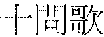 ). In particular, the list of 21 identifications is as follows: TCM [
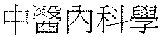 ]: chills and fever [
 ], head and body [
 ], fecal [
 ], urine [
 ], diet [
 ], thoracoabdominal [
 ], sweat [
 ], hearing/vision [
 ], cough [
 ], sputum [
 ], pain (location, form) [
 ], sleep [
 ], complexion [
 ], nose [
 ], lips [
 ], throat/pharynx [
 ], vomit [
 ], mental status [
 ], menses [
 ], vaginal discharge [
 ], tongue [
 ], surface or tongue [
 ].
].
[0041]These 21 basic symptoms for “ ” are tabulated in the tables of Appendix B from Tables 1A to 1D. Table 1E provides a summary of the Symptoms identified based on the “10 questions (
 )”.
)”.
[0042]An XML annotation was created for 38 chosen illnesses from some established TCM classics. The XML annotation of these 38 illnesses is shown in Appendix C, as disclosed in U.S. provisional application Ser. No. 61/229,545, filed Jul. 29, 2009, which is incorporated herein by reference in its entirety. When the XML annotation is input to the parsing mechanism such as shown in FIG. 2 the XML annotation is displayed as a DOM tree. The GUT of the parser also allows the user to input a query with symptoms. Then, the parser can find these symptoms and highlight them on the DOM tree. Alternatively, the parser can return a disease conclusion, a relevance index, or a frequency index as discussed above.
[0043]The XML annotation in Appendix C for the 38 illnesses includes the 21 symptoms as their attributes. Together they form the subsumption hierarchy that lets symptoms associate with illnesses.
[0044]When the RI is incorporated, the system user, such as a physician, can evaluate the diagnosis. For example, if the physician obtained only two symptoms from the “10 questions ( ),” but the classical information shows that there could be 10 symptoms all together. Then, the RI is the score for the quality of the diagnostic process.
[0045]To reduce search time in embodiments where the sample parser program matches symptoms by loading the data and then searching the data, the loading of the data (such as a Display Disease XML) can be separated from the searching so that subsequent searches can utilize the same loaded data. FIG. 3 shows the separate functions. The loaded Disease XML tree is the annotated form of the ontological layer (bottom layer) and the parser program loads the XML tree as a DOM tree.
[0046]The physician can select the symptoms attributes by clicking the combo boxes shown in the GUI. The symptom attributes are extracted based on the TCM vocabulary and Table 1A to 1D of Appendix B. After the symptoms attributed are selected, the program matches the attributes with the XML annotation of 38 illnesses once the search button is clicked as shown in FIG. 4. The disease XML annotation shown in the figure is for all internal illnesses. Below each illness, there are nodes describing the symptoms. The node can be highlighted, in yellow for example, if it is correctly matched with the input symptoms attributes.
[0047]Since some symptoms of different diseases may be the same, the relevance index of each illness is calculated. The relevance of the matched attributes can be measured for the diagnostic process (basic: frequency).
[0048]In one embodiment, a 2D array can be used to store the matched symptoms and disease name and the number of matched symptoms can be calculated to determine as their scores. The disease name and score is passed to another 2D array and then sorted.
[0049]In another embodiment; a datatable, which is a VB.net object for storing data in a table format, can be used. The data stored in the table format can then be placed into the data. Grid. For example, the VB.net object data table can store the illness names that have symptoms matched and the RI, which is calculated by the number of matched symptoms.
EXAMPLE 3
Matched Symptoms and Sorted Results
[0050]FIGS. 5A and 5B illustrate an example symptom query and results. In particular, after inputting symptoms, the display indicates the following:
- Yang edema—wind edema flooding (
 ) has five highlighted matched symptoms, so the relevance index is 5.
 - Headache—liver yang headache (
 ) has two matched symptoms so the relevance index is 2. Here, the relevance index is based on the number of matched symptoms.
[0053]The result shows that the patient is more likely to catch Yang edema—wind edema than a Liver yang headache. The sorted index is for physician's reference.
EXAMPLE 4
Methodology Base
[0054]The UMLS (Unified Medical Language System) is a medical ontology for allopathic applications and is intrinsically suitable for textual mining. It aims to resolve the difference in terminologies among different incompatible medical systems. The semantic groups in level 1 represent the different domains of query (e.g. TCM diagnosis). Level 2 is the semantic net to formally give one unique answer to a specifically formulated query. Level 3 is the ontological infrastructure for the “global allopathic view,” which is described by Jackei H. K. Wong in “A Concise Survey by PhraPharm on Data Mining Methods,” (2008), which is incorparated by reference herein in its entirety.
[0055]In addition to text mining, automatic semantic aliasing support can be included in the evolution of the ontology as described by Jackei H. K. Wong et al. in “Real-Time Enterprise Ontology Evolution to Aid Effective Clinical Telemedicine with Text Mining and Automatic Semantic Aliasing Support,” Proceedings of the OTM (Nov. 9-14, 2008), Vol. 5332 Lecture Notes in Computer Science; (2008), which is incorporated by reference herein in its entirety.
[0056]For example, TCM ontology was built based on all the canonical texts. A physician extracts a list of symptoms for a patient with a rigid diagnostic procedure. This list of symptoms is then matched with those extracted from canonical texts in the form of descriptors for different diseases. The different matches would have varying relevance. A relevance (index) of 0.7 (70%) to Cough, for example, indicates that the patient's sickness has 70% likelihood to the Cough context. That is, it could betreated with recipes for Cough. Then, the rest 30% difference could mean one of the following:
- a) if the symptoms for the 30% are “minor” or “tongue surface” or “pulse” then the patient's sickness X is perhaps just Cough.
- b) If the symptoms for the 30% are “major” then “although the sickness X can be treated like Cough in the beginning but the sickness may not be Cough.
- c) What follows the second point above include: i) the extraction from the canonical texts to build the different descriptors for the TCM ontology is flawed; sickness X was a miss, and ii) sickness X is a new form of disease, which was never recorded canonically and therefore a discovery.
The discovery can then be recorded formally to become part of the revised canonical information. Thus, such a system can build on itself to expand the ontological domain.
[0060]All patents, patent applications, provisional applications, and publications referred to or cited herein are incorporated by reference in their entirety, including all figures and tables, to the extent they are not inconsistent with the explicit teachings of this specification.
[0061]It should be understood that the examples and embodiments described herein are for illustrative purposes only and that various modifications or changes in light thereof will be suggested to persons skilled in the art and are to be included within the spirit and purview of this application. In addition, any elements or limitations of any invention or embodiment thereof disclosed herein can be combined with any and/or all other elements or limitations (individually or in any combination) or any other invention or embodiment thereof disclosed herein, and all such combinations are contemplated with the scope of the invention without limitation thereto.
[0000]| <?xml version=“1.0” encoding=“Big5” Cold Disease XML Tree?> |
| - < flu> |
| - < cold / Wind-cold syndrome> |
| - < main symptoms> |
| - < appearances> |
| - < aversion to cold> |
| < severe aversion to cold>id=“1”</ severe aversion to cold> |
| </ aversion to cold > |
| - < fever> |
| < low fever>id=“1”</ low fever> |
| </ fever> |
| - < sweat> |
| < no sweat>id=“1”</ no sweat> |
| </ sweat> |
| - < head and body> |
| < headache and sore limbs>id=“1”</ headache and sore limbs> |
| </ head and body> |
| </ appearances> |
| - < lungs> |
| - < nose> |
| < runny nose>id=“1”</ runny nose> |
| </ nose> |
| - < pharynx> |
| < itchy throat>id=“1”</ itchy throat> |
| </ pharynx> |
| - < cough> |
| < cough and heavy voice>id=“1”</ cough and heavy voice> |
| </ cough> |
| - < sputum> |
| < thin, white sputum>id=“1”</ thin, white sputum> |
| </ sputum> |
| </ lungs > |
| </ main symptoms> |
| - < related symptoms> |
| < not thirsty or thirsty and prefer hot drinks>id=“1”</ not thirsty or |
| thirsty and prefer hot drinks > |
| </ related symptoms> |
| - < surface of tongue / fur> |
| < thin, white fur>id=“1”</ thin, white fur > |
| </ surface of tongue / fur > |
| - < pulse > |
| < floating and/or rapid pulse>id=“1”</ floating and/or rapid pulse > |
| </ pulse> |
| </ Wind-cold syndrome> |
| - < Wind-heat syndrome> |
| - < main symptoms> |
| - < appearances> |
| - < aversion to cold> |
| < slight aversion to cold>id=“2”</ slight aversion to cold> |
| </ aversion to cold> |
| - < fever> |
| < high fever>id=“2”</ high fever> |
| </ fever> |
| - < sweat> |
| < sweat>id=“2”</ sweat> |
| </ sweat> |
| - < head and body> |
| < swelling pain in the head>id=“2”</ swelling pain in the head> |
| </head and body> |
| </ appearances> |
| - < lungs> |
| - < nose> |
| < nasal congestion and sticky and yellow nasal fluid>id=“2”</ |
| nasal congestion and sticky and yellow nasal fluid> |
| </ nose> |
| - < pharynx> |
| < pain and swelling in the throat / pharynx>>id=“2”</ pain and |
| swelling in the throat / pharynx> |
| </ pharynx> |
| - < cough> |
| < cough, coarse voice, rapid breathing >id=“2”</ cough, coarse |
| voice, rapid breathing> |
| </ cough> |
| - < sputum> |
| < sticky sputum in yellowish or white color>id=“2”</sticky sputum |
| in yellowish or white color> |
| </ sputum> |
| </ lungs> |
| </ main symptoms> |
| - < related symptoms> |
| < thirsty and prefer to drink>id=“2”</ thirsty and prefer to drink > |
| </ related symptoms> |
| - < surface of tongue / fur > |
| < thin, white and dry tongue surface or thin, white, and reddish |
| around the edge of the tough surface>id=“2”</ thin, white and |
| dry tongue surface or thin, white, and reddish around the edge of |
| the tough surface > |
| </ surface of tongue> |
| - < pulse> |
| < floating pulse>id=“2”</ floating pulse> |
| </ pulse> |
| </ wind-heat syndrome> |
| - < summer-heat dampness syndrome> |
| - < main symptoms> |
| - < appearances> |
| - < aversion to cold> |
| < slight aversion to cold>id=“3”</ slight aversion to cold> |
| </ aversion to cold> |
| - < fever> |
| < fever in the body>id=“3”</ fever in the body> |
| </ fever> |
| - < sweat> |
| < little sweat>id=“3”</ little sweat> |
| </ sweat> |
| - < head and body> |
| < dizziness and swelling pain in the head, sore limbs>id=“3”</ |
| dizziness and swelling pain in the head, sore limbs > |
| </ head and body> |
| </ appearances> |
| - < lungs> |
| - < nose> |
| < runny nose and sticky nasal fluid>id=“3”</ runny nose and sticky |
| nasal fluid > |
| </ nose> |
| - < pharynx> |
| < sore throat>id=“3”</ sore throat> |
| </ pharynx> |
| - < cough> |
| < cough>id=“3”</ cough> |
| </ cough> |
| - < sputum> |
| < sticky sputum in white or yellow color>id=“3”</ sticky sputum in |
| white or yellow color> |
| </ sputum> |
| </ lungs> |
| </ main symptoms> |
| - < related symptoms> |
| < thirsty and vexation >id=“3”</ thirsty and vexation > |
| </ related symptoms> |
| - < surface of tongue / fur > |
| < yellow or yellow greasy moss fur>id=“3”</ yellow or yellow |
| greasy moss fur> |
| </ tongue surface / fur> |
| - < pulse> |
| < thin pulse>id=“3”</ thin pulse> |
| </ pulse> |
| </ summer-heat dampness syndrome> |
| </ flu / cold> |
|
Appendix B
[0000] |
| 5 symptoms |
| Wind-cold | | | | |
| syndrome | Head and Body | Stool | Urine | Diet |
|
| Severe | Headache | Loose stool | Reddish and | Not thirsty |
| aversion to | | | short | |
| cold | | | urination | |
| Mild aversion | Sore and pain | Diarrhea before dawn | Dysuria | Prefer cold drinks |
| to cold | in the limbs | | | |
| Slight aversion | Swelling pain in | Loose stool | Poor urine | Thirsty and want to |
| to cold | the head | | flow | drink |
| Low fever | Dizziness and | Constipation | Yellowish and | Irritable and thirsty |
| swelling pain in | | reddish urine | |
| the head | | | |
| High fever | Aching pain in | Constipation; hard stool | Lack of urine | Thirsty but do not |
| limbs | | or stool | want to drink |
| Fever in the | Chest and | Constipation; reddish stool | Incontinence | Slimy mouth |
| body | hypochondriac | | | |
| pain | | | |
| No fever | hypochondriac | Poor stool | Yellowish and | Dry mouth and want |
| pain | | reddish urine | to drink |
| Tidal fever | Weight loss | Constipation | Loose stool | Prefer hot drink |
| and fatigue | | | |
| Easy to catch | Weight loss | Constipation | Incontinence | Low appetite |
| cold | | | | |
| Aversion to | Cold limbs | Dark stool | Dry stool | Eat little |
| cold | | | | |
| Fever in the | Body pain | Constipation and yellowish | Loose stool | Vexation and prefer |
| palm and feet | | urine | | hot drinks |
| in the afternoon | | | | |
| Tidal fever in | Swollen body | Constipation and no urine | Reddish urine | Thirsty but do not |
| the afternoon | | | | want to drink |
| Tidal fever; | Swollen feet | incontinence | Short urine | Thirsty |
| always feel | | | flow and | |
| cold | | | yellowish | |
| | | urine | |
| Tidal fever in | Cold fever and | Incontinence | Dysuria | Eat little but feel full |
| the afternoon | back pain | | | |
| Aversion to | Lumber pain | Constipation | Loose stool | Vexation and taste |
| cold and wind | | | | bitter |
| Aversion to | Body Shivering | Dry stool | Little urine | Faint after eat and |
| cold with fever | | | flow | drink too much |
| Fever; | Aversion to | Constipation | Short urine | Thirsty and want to |
| sometimes | cold with cold | | | drink |
| sweat | body | | | |
| sometimes no | | | | |
| sweat | | | | |
| Low fever | Swollen lower | Hard-bound stool | Difficult | Reduced food intake |
| body | | urination | |
| Fever | Lumbar pain | Constipation | Urination with | Thirsty and have |
| | | stone | hard-bound stool |
| Aversion to | Dizziness and | Loose stool | Pain during | Cannot swallow |
| cold | headache | | urination | |
| Fever | Dizziness and | Hard-bound stool | Urination with | Cannot Swallow |
| blurry vision | | blood | |
| Easy to catch a | Dizziness | Diarrhea before dawn | Urination with | Loss of appetite |
| cold | | | blood | |
| Sometimes feel | Cold in the | No stool | Reddish | Thirsty and want to |
| cold and | body and limbs | | blood | drink |
| sometimes feel | | | | |
| hot | | | | |
| Aversion to | Dizziness | Loose stool | Turbid urine |
| cold; lack of | | | | |
| energy | | | | |
| Aversion to | Fatigue | Constipation | Poor urine | Vexation and thirsty |
| cold and wind | | | flow | |
| Aversion to | Aversion to | Constipation | little urination | Eat little |
| cold with high | cold and cold | | | |
| fever | limbs | | | |
| Mild aversion | Cold | Hard-bound stool | Congestion | Fever and thirsty |
| to cold with | extremities and | | | |
| high fever | sweating | | | |
| Severe | Fatigue and | Difficulty in passing stool | Difficulty with | Loss of appetite |
| aversion to | short breathing | | urination | |
| cold with low | | | | |
| fever | | | | |
| Pain in | Difficulty in passing stool | | High fever, vexation, |
| shoulder back; | | | and thirsty |
| left arm | | | |
| Aversion to | Palpitation and | Stool contains mucus | Fatigue | Not thirsty |
| cold | lumber aching | | during | |
| pain | | passing stool | |
| Aversion to | Lumbago | Dry stool | Frequent | Thirsty but do not |
| wind | aching pain | | urination | and want to drink |
| and legs sore | | | |
| Fever | Fatigue in limbs | Loose stool | Frequent | Vexation and want |
| | | urination | to drink water |
| Aversion to | Fatigue and | Diarrhea | Tubid urine | Rapid digestion of |
| cold | lack of energy | | | food and susceptible |
| | | | to hunger |
| Alternations in | Numbness in | Yellowish, smelly stool | Sweet | Hungry but lack of |
| chills and fever | skin | | | appetite |
| Cold in the | Fatigue in the | Diarrhea | Clear urine | Thirsty but do not |
| body and limbs | body and limbs, | | | want to drink |
| joint pain | | | |
| Body heat | Joint swollen | Smelly stool | Turbid as | Thirsty but do not |
| | | cream | want to drink |
| Tidal fever | Long-term | Sloppy stool | Enuresis | Loss of appetite |
| fatigue | | | |
| Alterations in | Swelling joint | Diarrhea due to indigestion | Clear urine | Fever and thirsty |
| cold and fever | | | | |
| Aversion to | Deformity | Stool sometimes hard- | Frequent | Diarrhea and do not |
| cold | | bound sometimes watery | urination and | want to drink |
| | | clear urine | |
| Fever | Fatigue | Difficulty in passing stool | Clear urine | Lack of appetite |
| Aversion to | Aching pain in | Dry stool | Short urine | Lack of appetite |
| cold with fever | the entire body | | flow and | |
| | | yellowish | |
| | | urine | |
| Cold in the | Facial and | Difficulty in passing stool | | Lack of appetite |
| body and limbs | lower extremity | | | |
| edema | | | |
| Aversion to | face, neck, | | | Lack of appetite |
| cold and prefer | chest and arm | | | |
| warm | with blood mole | | | |
| Red palm | | | Abdominal |
| | | | distention and lack |
| | | | of appetite |
| Make a fist | | | Vexation and do not |
| | | | feel thirsty |
| Cold | | | Belching and lack of |
| extremities | | | appetite |
| Headache | | | Belching and lack of |
| | | | appetite |
| Limb tremor | | | Abdominal |
| | | | distention and lack |
| | | | of appetite |
| Twitching limbs | | | Poor digestive ability |
| Frequent | | | Thirsty but do not |
| headahce | | | want to drink |
| Headache | | | Feel hungry but do |
| | | | not want to drink |
| Swelling | | | Not thirsty |
| headache | | | |
| Cracking | | | Lack of appetite |
| headache | | | |
| Headache | | | |
| Drowsiness | | | |
| and fatigue | | | |
| Headache and | | | |
| blurry vision | | | |
| Abdominal pain | | | |
| Lumbago pain | | | |
| Headache and | | | |
| dizziness | | | |
| headache | | | |
| Long-term | | | |
| headache | | | |
| Lumbar and | | | |
| knees aching | | | |
| pain | | | |
| Hemiplegia | | | |
| Cold | | | |
| extremities | | | |
| Facial muscle | | | |
| convulsion | | | |
| Numbness of | | | |
| extremities | | | |
| Hemiplegia | | | |
| Fever and body | | | |
| contracture | | | |
| Joint pain | | | |
| Headache and | | | |
| dizziness | | | |
| Sore limbs | | | |
| Two hands | | | |
| Make a fist | | | |
| Body | | | |
| convulsion | | | |
| Cold | | | |
| extremities | | | |
| Fatigue in th | | | |
| body and limbs | | | |
| Cold | | | |
| extremities | | | |
| Headache | | | |
| Hongre head | | | |
| Oppression in | | | |
| the chest and | | | |
| hypochondria | | | |
| distention pain | | | |
| hypochondria | | | |
| distention pain | | | |
| Lumbar aching | | | |
| pain | | | |
| Lumbar aching | | | |
| pain and | | | |
| headache | | | |
| Fatigue in legs | | | |
| Fatigue | | | |
| Bone and joint | | | |
| aching pain | | | |
| Headache and | | | |
| body pain | | | |
| Cold | | | |
| extremitites | | | |
| Drowsiness | | | |
| and body ache | | | |
| Hypochodrium | | | |
| pain with | | | |
| distention | | | |
| Body and limbs | | | |
| swelling | | | |
| Body sore | | | |
| Body fat | | | |
| traumata | | | |
| Whole body | | | |
| edema | | | |
| Fatigue | | | |
| Whole body | | | |
| swell | | | |
| Cold | | | |
| extremities | | | |
| Lumbar aching | | | |
| pain | | | |
| Lumbar aching | | | |
| pain | | | |
| Lumbar and | | | |
| joint aching | | | |
| pain | | | |
| Lumbar and | | | |
| joint cold | | | |
| Sore limbs | | | |
| Lumbar aching | | | |
| pain | | | |
| Legs sore | | | |
| Dizziness | | | |
| Hypochondrium | | | |
| pain and limbs | | | |
| convulsion | | | |
| Exposed vein | | | |
| Cold | | | |
| extremitites | | | |
| Lie down a curl | | | |
| Lumbar and | | | |
| joint cold | | | |
| Anus burning | | | |
| pain | | | |
| Fatigue | | | |
| Dry skin | | | |
| Weight loss | | | |
| Anus burning | | | |
| pain |
|
[0000] |
| 4 symptoms |
| Chest and abdominal | Sweat | Ear and eye | Cough |
|
| chest oppression | No sweat | Dizziness | Cough and coarse voice |
| want to vomit | Sweat | | Coarse voice |
| stomach stuffiness | Little sweat | Dizziness | Rapid breathing |
| Dull and oppressive pain in | Night sweat | Tinnitus | Cough |
| the chest | | | |
| Chest and hypochondrium | Easy sweat | Dizziness | Heavy and strong voice |
| pulling pain or stabbing | | | |
| pain | | | |
| Abdominal distention pain | Little night sweat | Dizziness and | Cough |
| | tinnitus | |
| Chest pain and difficulty in | Sweating during | Reddish eyes | Rough voice and cough |
| breathing | sleep | and tinnitus | |
| Oppressive pain the chest | A combination of | Dizziness | Cough |
| spontaneous sweat | | |
| and night sweat | | |
| Oppressive pain the chest | Spontaneous sweat | Dizziness and | Cough and coarse voice |
| | tinnitus | |
| Dyspnea and cannot lay | Spontaneous sweat | Yellowish skin | Cough and rapid breathing |
| down | and do not want to | and facial | |
| speak | complexion | |
| Chest and hypochondrium | Cold sweat | Reddish eyes | Cough |
| dull pain | | | |
| Chest pain | Sweat and aversion | Sunken eyes | Noisy cough |
| to wind | | |
| Hypochondrium distention | Spontaneous sweat | Sunken eyes | Dry cough |
| or night sweat | | |
| Cardiff fullness | Sweat | Look up | Short cough |
| Cardiac chest pain | Sweat and cold | Mouth and eyes | Coarse voice |
| limbs | suddenly on the | |
| | side of the | |
| | cheeks | |
| Abdominal distention | Spontaneous sweat | Dizziness and | Cough in a low voice |
| and cold skin | tinnitus | |
| There is sound of water in | Profuse sweat | Close eyes | Rapid breathing |
| the abdominal/stomach | | | |
| Water in the intestine | Profuse sweat | Reddish eyes | Cough and rapid breathing |
| Stomach distention | Rapid breathing | Yellowish skin | Loud wheezing |
| prefer warm food, aversion | and spontaneous | and eyes | |
| to cold food | sweat | | |
| Chest pain | | Blurry vision | Lung cough |
| Chest tightness and | | Yellowish skin | Cough and rapid breathing |
| retching | | and eyes | |
| Stomach full | | Swelling face and | Cough and fatigue |
| | eyes | |
| Palpation | | Dry ears | Rapid breathing |
| Cardiac chest pain from | | Dizziness | Cough and rapid breathing |
| time to time | | | |
| chest tightness and | | Blurry vision | Cough and rapid breathing |
| irritability | | | |
| Chest tightness and rapid | | Reddish face | Little cough |
| breathing | | | |
| Chest and abdominal | | | Reduced coughing |
| distention | | | |
| stabbing pain in the chest | | | Cough |
| Chest pain or cramps | | | Wheezing and rapid |
| | | breathing |
| Chest pain | | | Cough and rapid breathing |
| Chest tightness and chest | | | Rapid breathing |
| pain | | | |
| Chest tightness and chest | | | Palpitation and wheezing |
| pain (dull) | | | |
| Irritability and chest | | | Cough and wheezing |
| tightness, chest pain | | | |
| Chest pain | | | Cough |
| Palpitation and chest pain | | | |
| Chest tightness and | | | |
| palpitation | | | |
| Chest tightness | | | |
| Vomit | | | |
| Belch | | | |
| Chest tightness and belch | | | |
| Abdominal distention | | | |
| Abdominal distention | | | |
| Belch | | | |
| Abdominal distention | | | |
| Abdominal distention | | | |
| Abdominal distention | | | |
| Abdominal distention | | | |
| Hot | | | |
| Abdominal distention and | | | |
| discomfort | | | |
| Abdominal distention | | | |
| Abdominal distention and | | | |
| discomfort | | | |
| Exposed veins | | | |
| Abdominal distention | | | |
| Chest tightness | | | |
| Chest tightness | | | |
| Abdominal distention and | | | |
| chest tightness | | | |
| Chest tightness and vomit | | | |
| Chest tightness and | | | |
| discomfort | | | |
| Chest tightness and chest | | | |
| pain | | | |
| Chest tightness and | | | |
| abdominal distention | | | |
| Diarrhea | | | |
| Hypochondrium and | | | |
| abdominal distention | | | |
| Abdominal distention | | | |
| Lower abdominal distention | | | |
| Lower abdominal pain | | | |
| Lower abdominal distention | | | |
| and pain | | | |
| Lower abdominal distention | | | |
| and pain | | | |
| Chest tightness and pain | | | |
| Gas coagulation in the | | | |
| stomach | | | |
| Abdominal distention | | | |
| Abdominal pain | | | |
| Sudden abdominal pain | | | |
| Chronic abdominal pain | | | |
| Abdominal or | | | |
| hypochodrium distention | | | |
| pain | | | |
| Abdominal stabbing pain | | | |
| Acute abdominal pain | | | |
| Lower abdominal pain | | | |
| Chest tightness and belch | | | |
| Chest tightness, | | | |
| abdominal distention | | | |
| and belch | | | |
| Abdominal distention | | | |
| Abdominal pain | | | |
| Abdominal distention and | | | |
| pain | | | |
| Abdominal pain | | | |
| Abdominal pain before | | | |
| passing stool | | | |
| Chest tightness, abdominal | | | |
| distention | | | |
| Stomach burning pain | | | |
| Abdominal pain | | | |
| Abdominal distention and | | | |
| discomfort | | | |
| Chest tightness and pain | | | |
| Chest tightness | | | |
| Chest tightness |
|
[0000] |
| 5 symptoms |
| Pain | Sleep | Facial complexion | Nose | Mouth and lip |
|
| Headache | Restless and insomia | Fever and reddish facial | Runny nose | Purplish lip |
| | complexion | | |
| Limbs sore | Nightmare | Cough and reddish facial | Sneezing | Purplish lip |
| | complexion | | |
| Distention pain in the | Sleepless with | Pale facial complexion | Sluffy nose and | Lip pale |
| head | nightmare | and aversion to wind | sticky nasal fluid | |
| headache | Insomia | Reddish facial | Sneezing with | Purplish lip |
| | complexion and irritable | sticky nasal fluid | |
| Limbs and body sore | Irritable and | Pale facial complexion | Dark reddish | Purplish lip |
| sleeplessness | | tongue | |
| Chest and | Anxious, irritable and | Reddish facial | Nose and teeth | Pale lip |
| hypochondrium pain | sleeplessness | complexion | bleeding | |
| Hypochondrium pain | Chest tightness, | Reddish facial | Rapid breathing | Dry mouth |
| irritable, sleeplessness | complexion | | |
| Fever and back pain | Abdominal discomfort | Pale facial complexion | Weak breath | Open mouth |
| and sleeplessness | | | |
| Lumbar pain | Palpitation, irritable, and | Pale facial complexion | Dyspnes | Lip in dark |
| sleeplessness | | | color |
| Pain | Nightmare and easily | Pale facial complexion | Stuffy nose | Lip pale |
| waked up | | | |
| Pain in the left | Nightmare and easily | Reddish facial | Stuffy nose | Mouth ulcer |
| shoulder and the left | scared | complexion | | |
| arm | | | | |
| Joint and muscle | Nightmare | Reddish facial | | Dry mouth |
| pain | | complexion | | |
| Pain in the entire | Palpitation and | Pale facial complexion | | Dry mouth and |
| body, sometimes in | sleeplessness | | | taste bitter |
| the upper body, | | | | |
| sometimes in the | | | | |
| lower body | | | | |
| Fever and reduced | Irritability and insomnia | Greenish purple facial | | Taste bitter |
| pain | | complexion | | |
| Spinal and lumber | Sleeplessness | Redish facial | | Pale lip |
| pain | | complexion | | |
| Hypochondrium pain | Palpitation and | Reddish facial | | Dry mouth and |
| and distention | insomnia | complexion | | taste bitter |
| Hypochondrium and | Nightmare | Yellowish and pale facial | | Dry mouth |
| abdominal stabbing | | complexion | | |
| pain | | | | |
| Continous pain in | Insomnia and forgetful | Grey facial complexion | | Dry mouth and |
| the neck and the | | | | irritable |
| back | | | | |
| Severe pain in the | Lack of sleep | Yellowish and pale facial | | Dry mouth |
| stomach and left | | complexion | | |
| hypochondrium | | | | |
| Sever abdominal | | Reddish facial | | Dry mouth |
| cramps | | complexion | | |
| Stabbing pain in the | | Pale facial complexion | | |
| hypochrondium | | | | |
| Dull pain in the | | Reddish facial | | |
| hypochrondium | | complxion | | |
| Lower abdominal | | Reddish facial | | |
| distention | | complexion and fever | | |
| Chest distention and | | Pale facial complexion | | |
| abdominal pain | | | | |
| Abdominal pain | | Pale facial complexion | | |
| Sudden | | Pale facial complexion | | |
| stomachache | | | |
| Abdominal distention | | Yellowish facial | | |
| and pain | | complexion | | |
| Stabbing pain in the abdominal | Yellowish facial | | |
| | complexion | | |
| Burning pain in the | | Grey facial complexion | | |
| abdominal | | | | |
| Burning pain in the | | Bad grey facial | | |
| abdominal | | complexion | | |
| Dull, burning pain in | | Reddish facial | | |
| the abdominal | | complexion | | |
| Dull pain in the | | Pale facial complexion | | |
| abdominal | | | | |
| | Grey facial complexion | | |
| | and weight loss | | |
| | Yellowish and pale facial | | |
| | complexion | | |
| | Yellowish and pale facial | | |
| | complexion, lack of energy | | |
| | Pale facial complexion |
|
[0000] |
| 5 symptoms |
| | | | Vaginal |
| Pharynx | Vomit | Spirit | menses | discharge |
|
| Itchy | Vomit and lack of | Fatigue | Irregular | Emission, |
| appetite | | menstruation | virginal |
| | | | discharge |
| Pain | Vomit | Fatigue | Amenorrhea, | |
| | | reduced | |
| | | mentrual | |
| | | flow | |
| Swell | Vomit | Irritable | Amenorrhea | |
| Sore throat | Chest tightness, vomit | Fatigue | | |
| Dry mouth | Nausea | Anxious | | |
| Dry mouth sore throut | Vomit | Irritable | | |
| Sputum in the chest/ | Nausea | Irritable | | |
| throat | | | | |
| Difficulty in swallowing | Ptyalism | Lack of energy | | |
| Dry throat | Vomit | Palpitation | | |
| Loss of voice | Nausea | Palpitation, | | |
| | restless | | |
| Sore throat | Vomit | Palpitation, | | |
| | restless | | |
| Ptyalism | Aggressive | | |
| Vomit | Restless | | |
| Vomit with sticky, white | Anxious | | |
| fluid | | | |
| Vomit with reddish fluid | Fatigue | | |
| Vomit | Anxious | | |
| Vomit acidic liquid | Fatigue | | |
| Vomit | Palpitation and | | |
| | short breathing | | |
| Spit | Lack of spirit | | |
| Vomit | Irritable | | |
| | Anxious and | | |
| | palpitation | | |
| | Palpitation and forgetfulness | |
| | Fatigue and | | |
| | lack of appetite | | |
| | Forgetfulness | | |
| | and emission | | |
| | Anxious | | |
| | Fatigue | | |
| | Fatigue and | | |
| | aversion to | | |
| | cold | | |
| | Faint | | |
| | Dizziness and | | |
| | faint | | |
| | Faint | | |
| | Faint | | |
| | Faint | | |
| | Delirium | | |
| | Irritable | | |
| | Anxious | | |
| | Palpitation | | |
| | Restlessness | | |
| | Laying down | | |
| | peacefullly | | |
| | Anxious | | |
| | Depression | |
| | Sigh | | |
| | Anxious | | |
| Irritable | | |
| | Anxious | | |
| | Trance | | |
| | Sadness | | |
| | Restless, anxious | |
| | Restless | | |
| | Fatigue | | |
| | Palpitation, | | |
| | timid | | |
| | Dizziness, | | |
| | palpitation | | |
| | Anxious | | |
| | Fatgue | | |
| | Lack of | | |
| | emotion | | |
| | Dementia of | | |
| | consciousness | | |
| | Trance | | |
| | Absent | | |
| | minded, lack of | | |
| | normal | | |
| | Sadness | | |
| | Speak wildly to | | |
| | close relatives | | |
| | Destroy property | | |
| | and hurt people | | |
| | Fatigue | | |
| | Agitated and | | |
| | weight loss | | |
| | Fatigue | | |
| | Delirium | | |
| | Palpitation and | | |
| | short breath | | |
| | Irritable and | | |
| | anxious | | |
| | Fatigue | | |
| | Timid | | |
| | Fatigue, sleepy | | |
| | Palpitation | | |
| | Irritable | | |
| | Fatigue | | |
| | Fatigue | | |
| | Fatigue, | | |
| | aversion to cold | | |
| | Fatigue | | |
| | Irritable, agitated |
|
[0000] |
| Symptoms identified based on 10 questions |
| Tongue | Tongue surface/fur |
|
| Thin, white | Thin, white |
| Thin white and dry | Thin white and dry |
| Thin, yellowish, reddish on the edge | Thin, yellowish, reddish on the edge |
| Thin, yellowish and slimy fur | Thin, yellowish and slimy fur |
| Thin, yellow | Slimy, white |
| Cool, dry, thin, white | Thin, yellow |
| Warm, dry, thin, yellow | Cool, dry, thin, white |
| White, slimy | Warm, dry, thin, yellow |
| Thin, yellow, slimy, reddish tongue | Thin, yellow, slimy, reddish tongue |
| Thin, yellow, insufficient fluid | Thin, yellow, insufficient fluid |
| Reddish tongue | White smooth |
| Pale | Pale |
| Pale slimy | Little fur, reddish fur |
| White, slippery | Thin, yellowish fur |
| Reddish tognue | Reddish and dry |
| Teeth scar on the tongue | Little fur |
| Dry mouth | Thin fur |
| Fat Tongue | Yellowish fur |
| Pale slippery or grey slimy | Smooth and purplish |
| Pale tongue, white fur | Little fluid |
| Pale tongue | Thin, yellow fur |
| Dark, purplish tongue or with blood | Yellow, slimy fur, reddish |
| masses | |
| Yellow, slimy fur | Yellowish fur, reddish |
| Dark, purplish tongue or with blood | Pale tongue, white fur |
| masses | |
| White, slimy fur or white, slippery fur | Pale tongue, smooth fur |
| Slimy fur | Yellowish, slimy fur |
| Dark, purplish tongue or with blood | White, slimy or white, smooth fur |
| masses | |
| Pinkish tongue | Slimy fur |
| Green or dark purple tongue | White, slimy fur, weak pulse |
| Dark tongue with blood masses | White fur |
| Mouth ulcer | Slimy fur, floating pulse |
| Pink tip of the tongue | White, slimy fur |
| Pale tongue, weak pulse | Yellowish, dry fur, floating pulse |
| tongue with blood masses | Slimy fur |
| Pale tongue | Reddish tongue, little fur |
| Pink tongue, little fur | Reddish tongue, yellowish, slimy |
| fur, grey |
| Thick slimy fur, floating pulse |
| Pink tongue, yellow slimy grayish fur | Thin, white fur |
| Purplish tongue or with blood masses | Yellowish fur, floating pusle |
| Pale, fat, purplish tongue | Thin, white fur |
| Reddish tongue | White, Slimy fur |
| Reddish tongue | Thin fur |
| Reddish tongue | Yellowish, slimy fur |
| Pinkish tongue | Little fur |
| White, Slimy fur | Yellowish fur |
| Purplish tongue | White, slimy fur |
| Pale tongue | Yellowish, dry fur |
| Speech difficulty | Thin, yellow fur |
| White slimy fur | White slimy or white smooth fur |
| Tongue atrophy | White fur |
| Purplish tongue | Pale fur |
| Yellowish, slimy fur | Little fur |
| Purple tongue | Dry fur |
| Yellowish, slimy fur | Thine, slimy fur |
| Purplish tongue | Yellowish fur, floating pulse |
| Pale tongue | Thick, slimy fur |
| Pale, fat tongue | White, slimy fur |
| Reddish tip of the tongue | Smooth fur |
| Pinkish tongue | |
| Dark, purplish tongue or with blood | |
| masses | |
| Red tongue | |
| Red tongue | |
| Pale, fat tongue | |
| Reddish or purplish tip of the tongue | |
| Smooth tongue surface without fur | |
| Light purplish tongue | |
| Diarrhea, stool with white mucus and | |
| blood masses | |
| Diarrhea, stool with dark blood masses | |
| Diarrhea, stool with white mucus | |
| Diarrhea, stool with white mucus and | |
| blood masses | |
| Diarrhea with loose watery stool | |
| Reddish, smooth tongue | |
| Reddish tongue | |
| Pinkish tongue | |
| White, slimy fur |
|


 ), minor (
 ), tongue surface (
 ) and pulse (
 ). Each symptom is also assigned a weight, eg: 0.5 for main symptoms, 0.3 for accompanies and 0.1 for both tongue surface (tongue analysis) and pulse (heart rate). If the case only describes symptoms that do not include main and accompany symptoms, those symptoms are viewed as main symptoms. The calculating method is listed below for the result shown in
